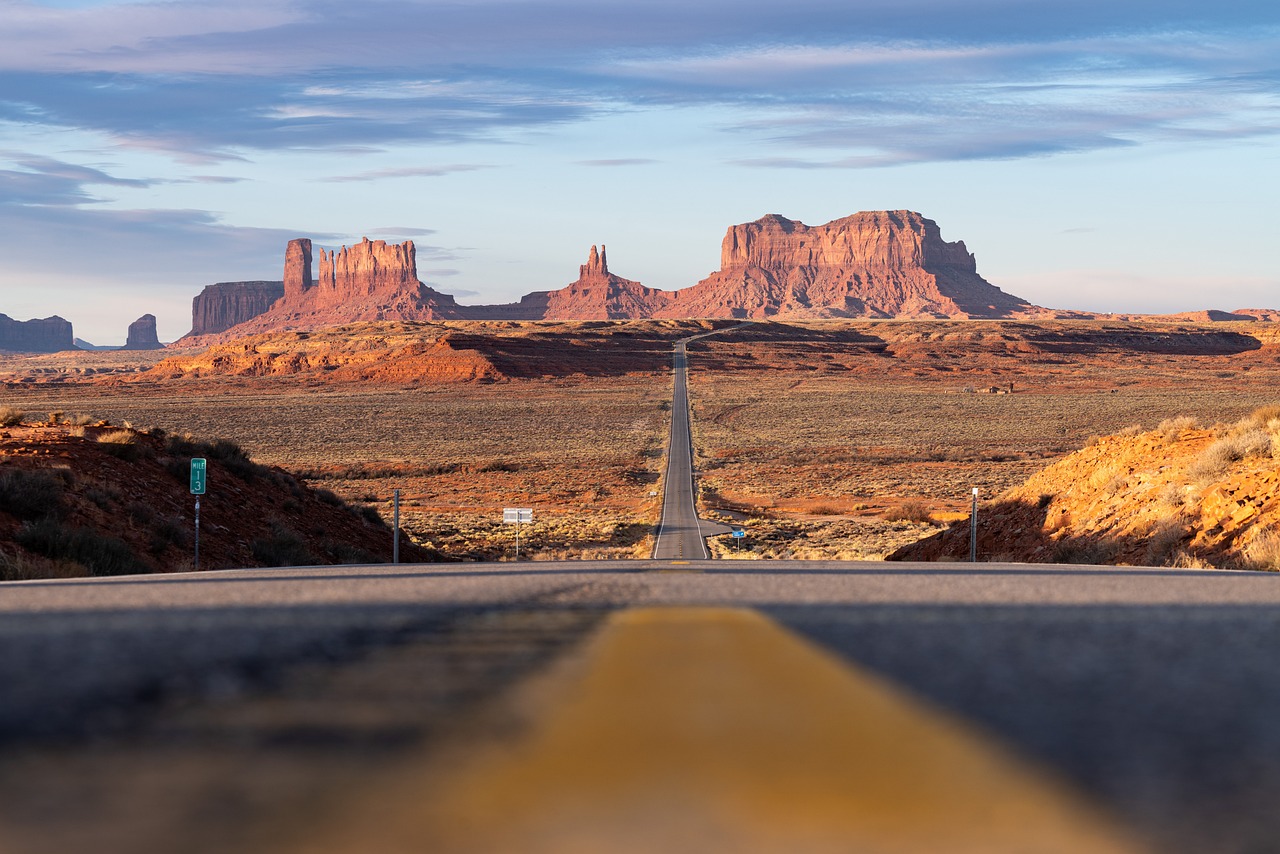
Avra Valley, located in north-central Arizona, offers visitors a serene natural escape teeming with wildlife (explore this topic) and outdoor Avra Valley, Arizona activities. This vibrant ecosystem supports a diverse range of flora and fauna, making it an ideal destination for nature enthusiasts seeking to connect with the great outdoors.
Exploring Avra Valley, Arizona: A Wildlife-Rich Haven
Avra Valley, Arizona, is a hidden gem nestled amidst the picturesque desert landscapes of the state's central region. Known for its rich biodiversity and pristine natural surroundings, this area captivates visitors with its things to do that revolve around outdoor exploration and wildlife observation.
A Diverse Ecosystem
The valley boasts a unique blend of ecosystems, ranging from expansive grasslands to rugged mountains, all contributing to an incredibly diverse range of plant and animal life. This variety makes Avra Valley a haven for birders, botanists, and nature enthusiasts alike.
Avra Valley Wildlife: The Stars of the Show
Birds and Aviation
One of the most captivating aspects of Avra Valley's wildlife is its rich bird population. Over 250 species of birds have been spotted in the area, making it a paradise for ornithologists and amateur birdwatchers. Visitors can enjoy viewing majestic eagles, colorful parrots, and rare migratory species during their stay. The open skies and diverse habitats provide an ideal environment for these feathered creatures.
Desert Animals
The desert landscapes of Avra Valley are home to a variety of unique wildlife adapted to this challenging environment. Visit the valley to catch a glimpse of the elusive coyote, whose tracks often grace the dry riverbeds. You might also spot the agile ringtail and the playful desert cottontail, both of which make their homes among the scrubby bushes. For those lucky enough, a night time adventure may reveal the haunting call of the great horned owl.
Plants and Creatures in Harmony
The flora of Avra Valley is equally fascinating, with saguaro cacti towering over the landscape and vibrant wildflowers blooming during the spring. These plants provide food and shelter for the diverse animal species that inhabit the valley. This harmonious relationship is a testament to the delicate balance of nature in this remarkable area.
Outdoor Adventures and Wildlife Viewing Opportunities
Hiking Trails: A Nature Enthusiast's Dream
Avra Valley offers an extensive network of hiking trails, ranging from easy walks through grassy meadows to challenging treks up rugged mountainsides. These trails provide a front-row seat to the valley's natural beauty and its diverse wildlife. Some popular hiking spots include the Avra Peak Trail, offering panoramic views, and the Meadowlark Trail, where birdwatchers can spot numerous species.
Wildlife Watching Tours
For those seeking guided exploration, there are various things to do in Avra Valley, Arizona, such as wildlife watching tours. Local guides lead small groups on adventures through the valley's most scenic spots, sharing insights into the local fauna and flora. These tours enhance the visitor experience, ensuring a deeper understanding of the natural environment.
Stargazing: A Cosmic Experience
The vast open spaces of Avra Valley make it an ideal location for stargazing. Far removed from city lights, the night sky here is a spectacle to behold. Visit during a clear night and witness the Milky Way stretching across the heavens. Local astronomy clubs often organize stargazing events, providing telescopes and expert guidance.
The Role of Conservation in Avra Valley
The rich wildlife and natural beauty of Avra Valley are protected through various conservation efforts. Local organizations and government agencies work tirelessly to preserve the area's ecosystems, ensuring that future generations can also things to do in this remarkable place. These initiatives include habitat restoration projects, sustainable land management practices, and educational programs aimed at raising awareness about the valley's unique environment.
Frequently Asked Questions (FAQs)
-
Q: What is the best time of year to visit Avra Valley for wildlife viewing? A: Spring (March to May) and fall (September to November) are considered the best times to visit Avra Valley for wildlife viewing due to mild temperatures and abundant wildflowers, which attract a variety of species.
-
Q: Are there any dangerous animals in Avra Valley? A: While Avra Valley is generally safe for visitors, it's important to be aware that some potentially dangerous animals, such as coyotes and rattlesnakes, inhabit the area. Always follow local guidelines for safety during your outdoor adventures.
-
Q: Can I bring my dog on hiking trails in Avra Valley? A: Some hiking trails in Avra Valley allow dogs, but there are strict leash laws to protect both wildlife and other hikers. It's essential to check the specific trail rules before bringing your pet.
-
Q: Are there any wildlife rehabilitation centers near Avra Valley? A: Yes, several wildlife rehabilitation centers operate in the region, providing care for injured or orphaned animals. These centers often offer educational programs and opportunities to learn about local wildlife.
-
Q: How can I contribute to conservation efforts in Avra Valley? A: You can support conservation efforts by participating in clean-up events, volunteering with local organizations, or simply being a responsible visitor by staying on designated trails and leaving no trace of your presence.
Conclusion
Avra Valley, Arizona, is a nature lover's paradise that offers a unique blend of things to do centered around its vibrant wildlife and stunning natural landscapes. Whether exploring the diverse flora and fauna through hiking or joining guided tours, visitors can immerse themselves in this ecological treasure trove. With its conservation-focused community, Avra Valley ensures a sustainable future for its remarkable ecosystems, inviting all to appreciate and protect its natural beauty.